
Revisiting
Reimagining

I went to a talk at a literary festival yesterday. The speaker, Derek Thompson1 (no relation) called it The Truth about Fiction, a title he stole from his podcast series. As a non fiction writer, I wondered how useful it would be, but I know Derek and wanted to support him. It takes courage to stand up in front of a room of people and talk about the internal workings of one’s mind. Writing is a solitary business. We are assailed by self doubt, imposter syndrome and unless we are a best selling author, it is a labour of love which earns us next to nothing.
There were a couple of things in Derek’s talk which struck a chord with me. One is that life can be the antagonist in a story. This resonates with something John Yorke wrote in his book Trip to the Moon, where he compared a good plot with The Repair Shop. Someone brings in an object which is broken but precious. The antagonist in the life of this object? Neglect and time. The object is repaired, restored to its loving owner and everyone is happy. And there you have it, a three act structure - inciting incident, crisis point and resolution. The viewer feels complete and goes to bed smiling. Stories, whether they be on the air, on a screen, in a book or told sat round a fire / kitchen table, are, John Yorke argues a drug. They offer us dopamine and adrenaline. A good story creates calm out of chaos.
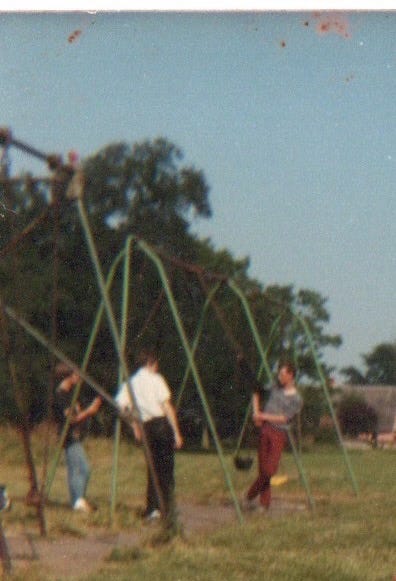
Something else which struck me about Derek’s talk was this notion that stories choose us. Marion Roach Smith, author of The Memoir Project likened opening oneself up to writing as sitting on top of a mountain in an electric storm with a metal colander on your head. Certainly it feels like that to me, often. I lie in bed thinking ‘Noo!’ and my muse is saying ‘Yes. get up. do it. do it now.’ So I do. I put the colander on my head. I ignore my racing heart. I try to remember to breathe deeply. I sit down and I write, or type. I dig out the old blurry photos. I think about what they mean. I brace myself for the lightening strike. I invite my imposter syndrome in. I give him a biscuit, I put him on his hamster wheel (his name is Percy and, yes, he’s a hamster), I press play on my favourite track, sit down and let it all pour out.
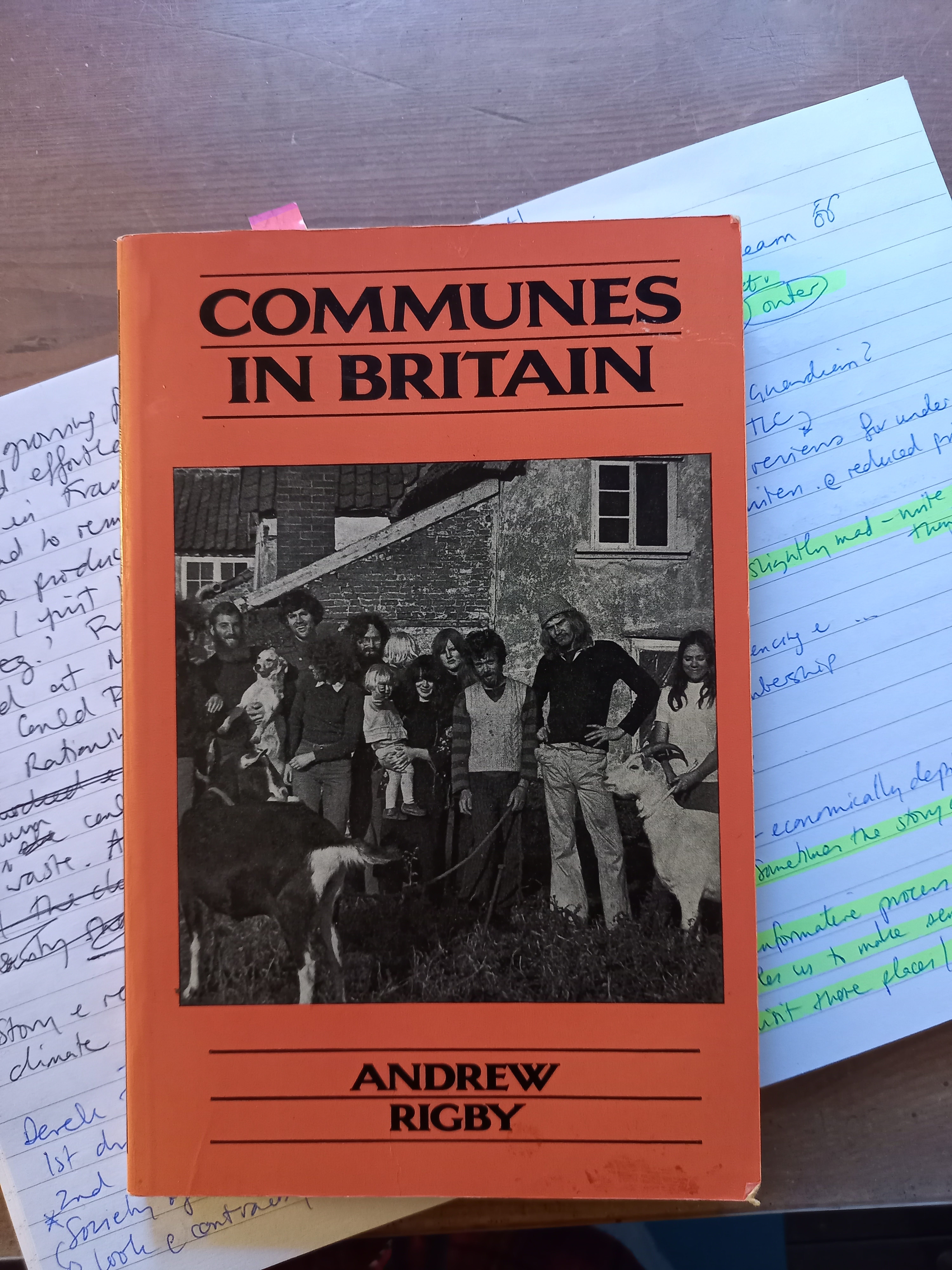
“I read loads of books, go slightly mad and write all my thoughts down.” Derek’s process is not unlike mine. My house is covered in notes, pieces of paper, old diaries. The internal workings of my mind spread out over the floor, the walls, in notebooks, on post its. I devour books like an addict, looking for clues, about structure, about form, about how to do this thing which pays nothing and costs everything.
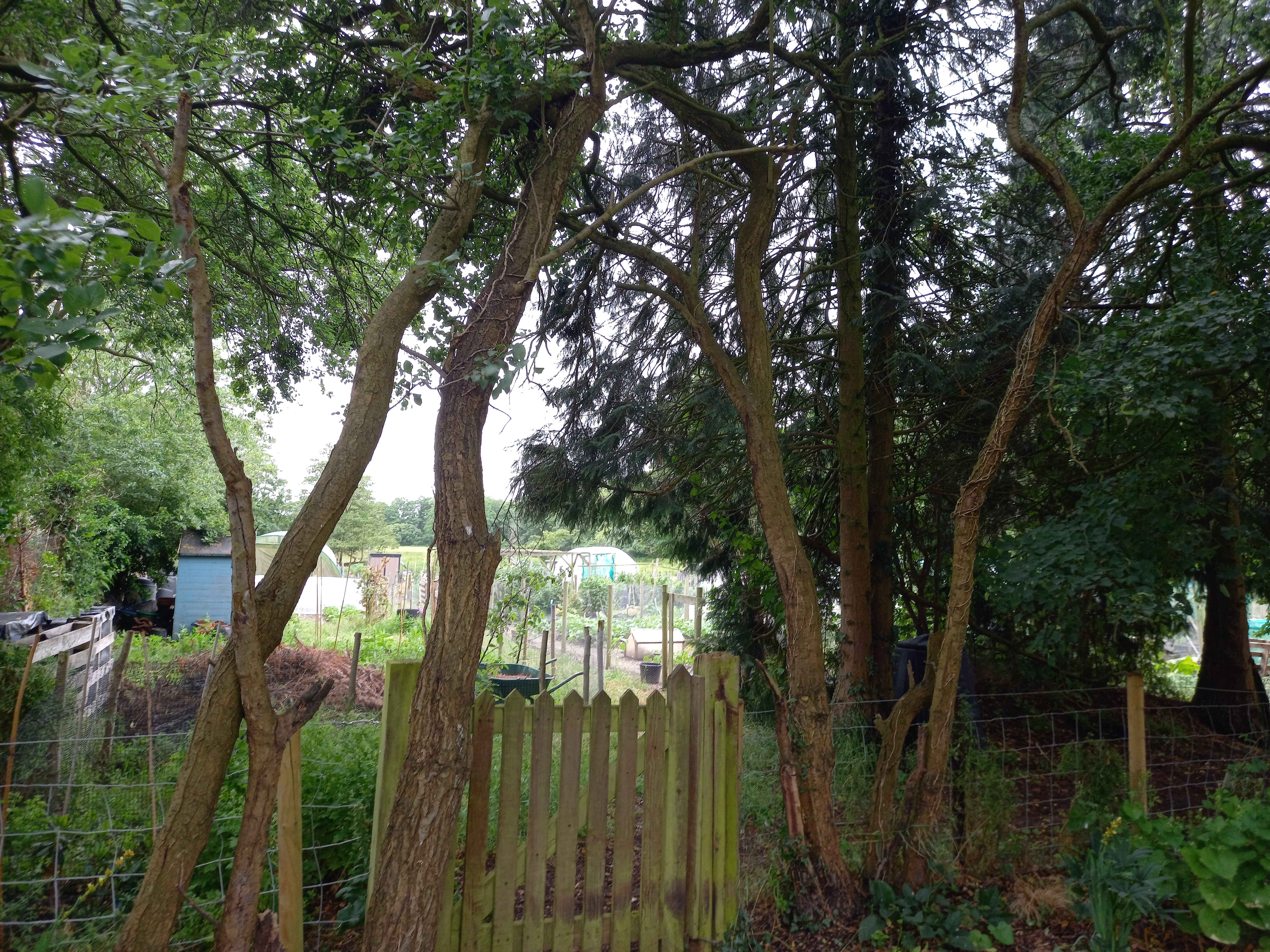
Derek spoke about revisiting places and scenes, about how the writing process can enable us make sense of the world around us. He called it an inner transformative process. He is not wrong. I’ve lived away from the place where I grew up for thirty years. When I returned last year, I felt like a character from Narnia, emerging from a wardrobe back into the place of my childhood. A grown woman but full of the feelings and memories I’ve carried from that time.
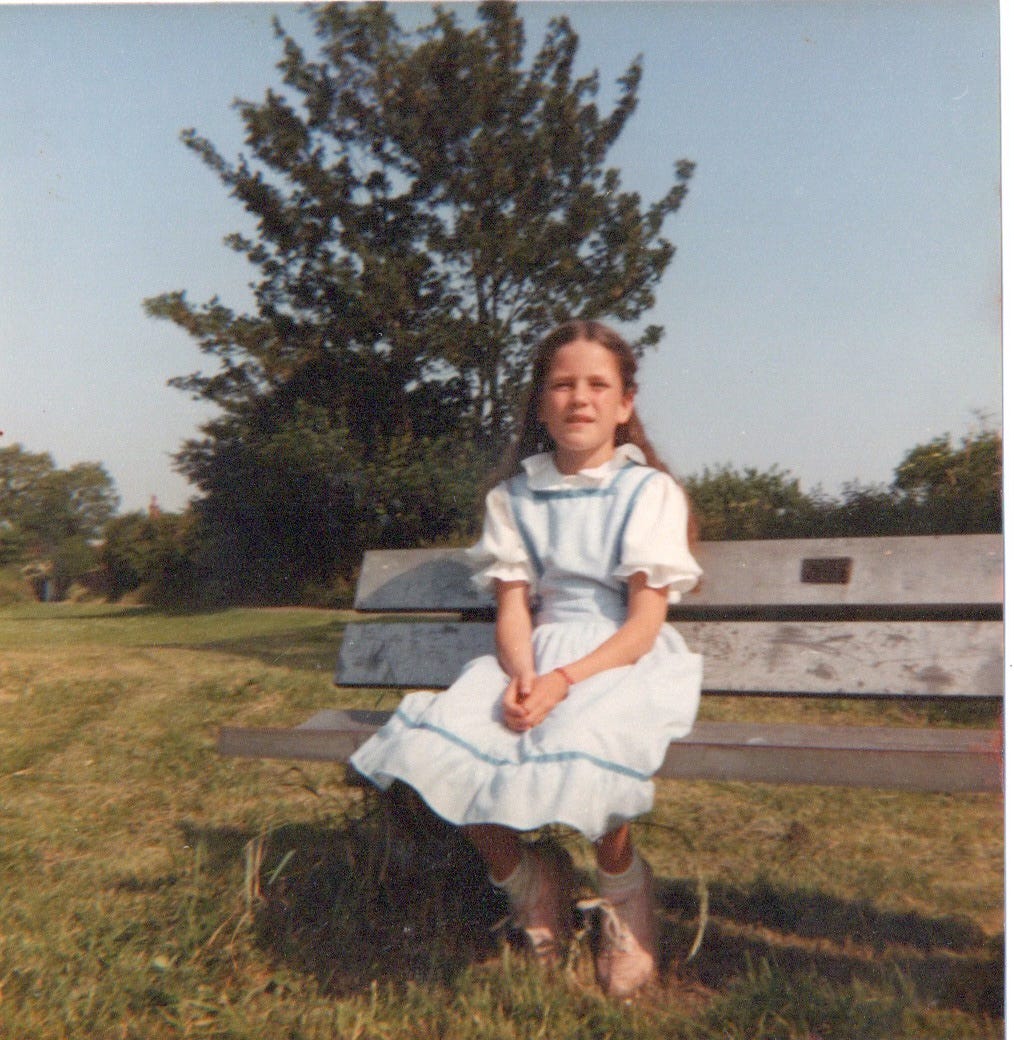
What do we do with the things we cannot say? We hold them in our body. We may feel we cannot say them but we can write them down. The places, the scenes, the feelings they evoked, the time, the era, what it all meant and how it affected us. We can make sense of what happened by re-imagining it. We can dust down the broken ness, heal what is precious, go to bed smiling. We can make ourselves and our readers feel whole. We can smooth the crinkled creases of chaos, we can laugh at the funny bits, we can nod at the absurdity, we can relate, forgive, remember and find peace.
Sometimes I wonder if my writing is a drug. An opiate to mist my eyes and avert my gaze from the climate crisis. Perhaps it is. But perhaps my story can also offer a map. I recently went to a workshop run by Deborah Tomkins2, author of two books, one called Aerth the other The Wilder Path. The latter of her books touched my heart because it spoke of grief. Grief around family and grief around the climate crisis. She reminded me of something said by Margaret Atwood: Climate Change is Everything Change.
I search my phone, looking to see what summer temperatures in East Anglia were like during the seventies and eighties, to compare them with what they are to today. I remember the summers being hot, but never this hot. I feel guilty about the amount of water it takes to cool data stored in buildings in the Arizona Desert. This is not your fault a voice whispers gently in my ear. The angry part of my brain shouts it louder, this is not your fault and feeling bad helps no one, least of all the planet.
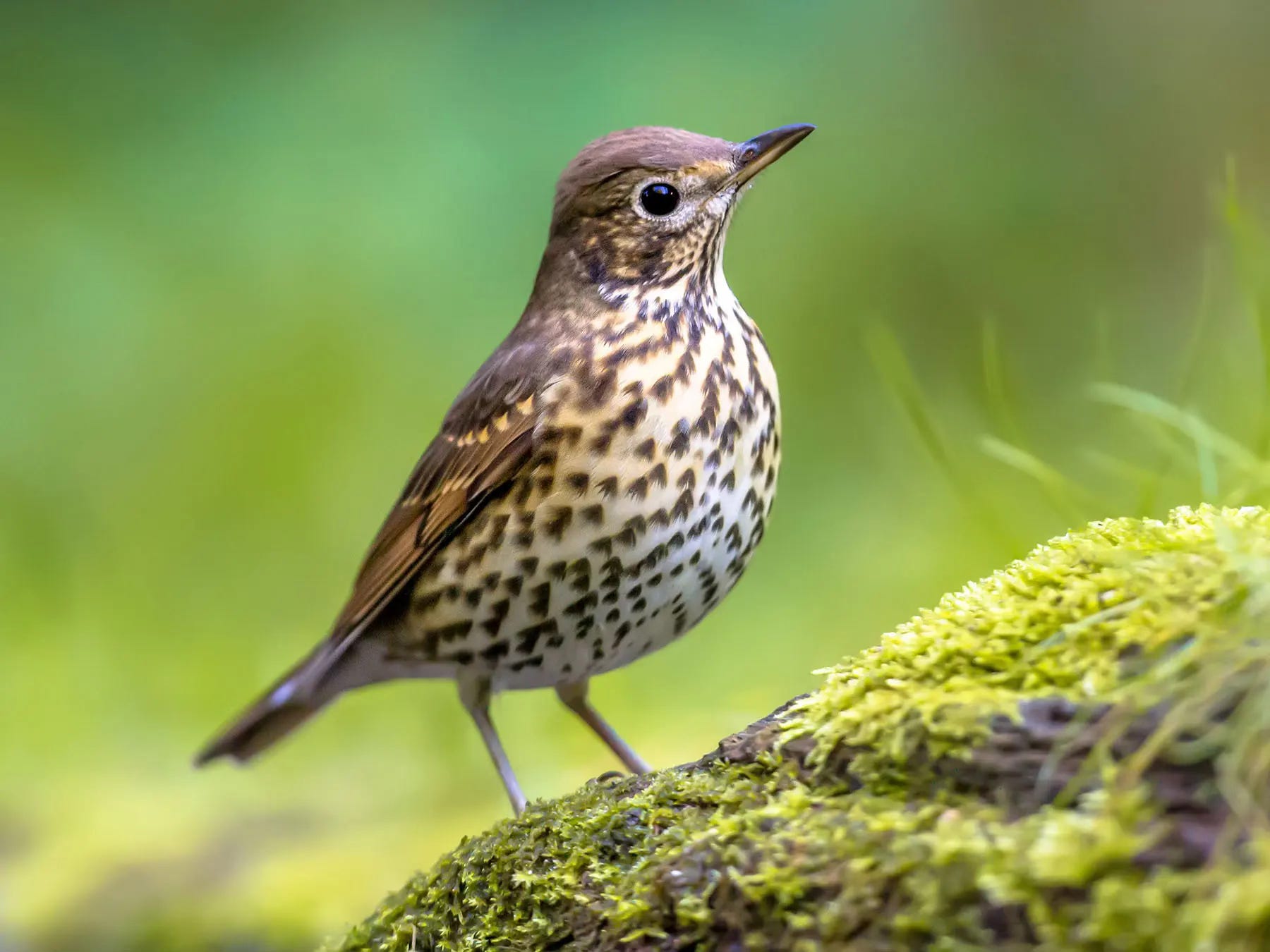
There is a song thrush in my garden. I keep seeing her out of the corner of my eye. She dives into the ivy growing on the bank, pulls out snails, smashes them on the wall, pulls out the flesh and flies off to her nest. She sees me looking at her sometimes, she cocks her head to one side and gives me the beady eye, as if to say, ‘What? I’m only doing my job.’
The song thrush is deeply rooted in folklore, she symbolises luck, change and fortune, her enduring song a is powerful emblem.
Paul Kingsnorth’s3 wife is not a Christian. Her faith tradition informs her take on the current climate crisis. She sees it as ‘everything change’, a new beginning. In his preface to The Earth Gives the Earth Wants, Antônio Bispo4 dos Santos presents a quilombola perspective critiquing capitalism and colonialism, emphasizing living in harmony with the earth and giving back to it. He writes bout beginning, middle, beginning.
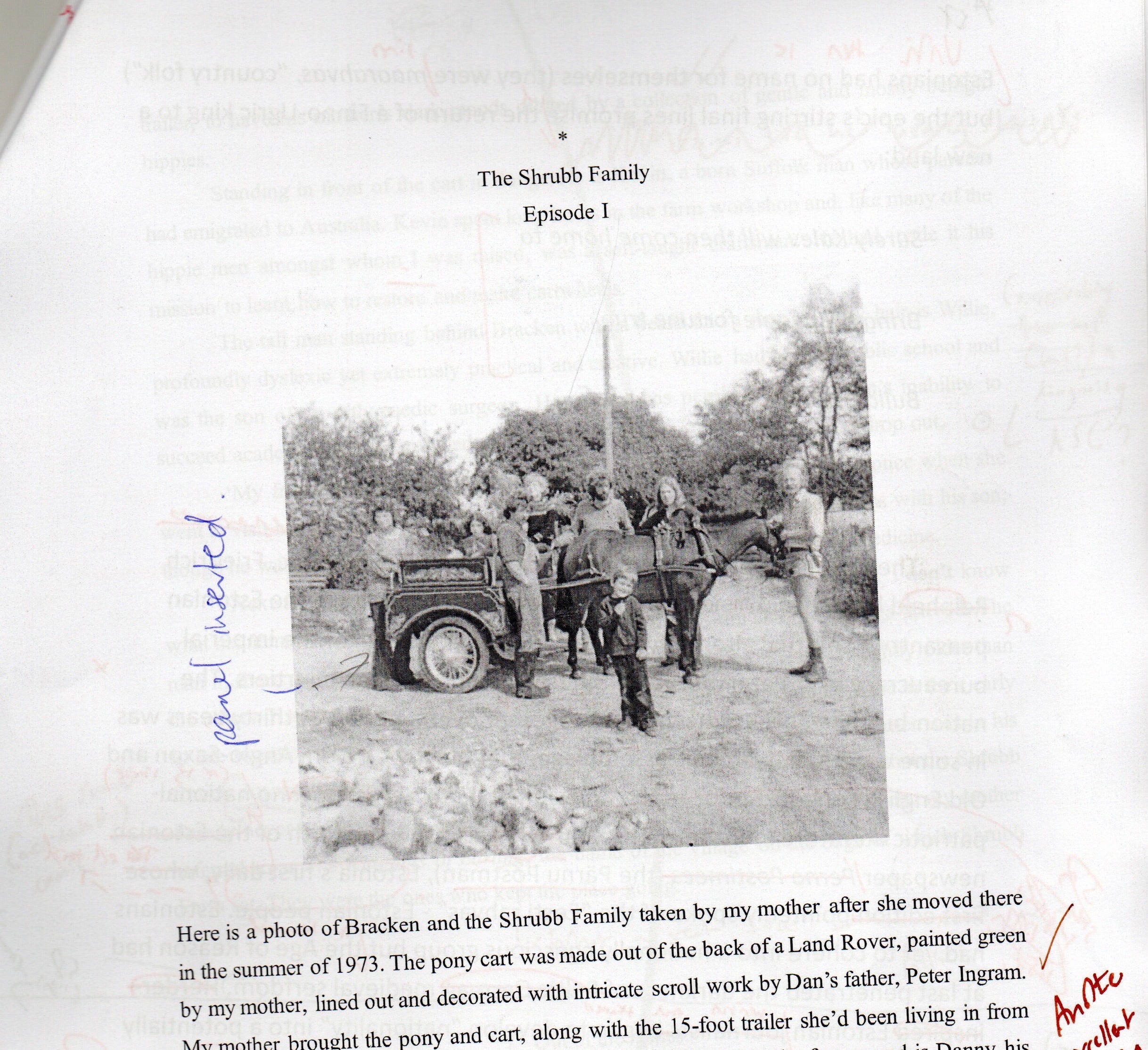
But this viewpoint is not unique to his culture. This viewpoint was the one I was raised with, the one the hippies - those hairy layabouts, the ones who chose to drop out, share, be self sufficient, craft things, tell stories, be playful and inclusive - chose to embody. We were gossiped about and laughed at by the ‘straights’ who came to our fairs. Everyone loved them. Not a diesel generator in sight.
We could live in a different way, like the people on the imaginary planet in Tomkin’s fictional book Aerth. We have the means. But do we have the will?
https://joffebooks.com/derek-thompson
https://www.deborahtomkinswriter.com/
https://www.the-tls.com/politics-society/social-cultural-studies/against-the-machine-paul-kingsnorth-book-review-bill-mckibben
https://www.politybooks.com/bookdetail?book_slug=the-earth-gives-the-earth-wants--9781509570195
More fascinating insights and connections from the weaving of a thread of other authors. You write so well, Nancy, and your photos add colour both literally and metaphorically to your words. As ever, thanks for sharing.
You have a talent for following the stream - for allowing inspiration to lead you and recording where it takes you. It's the hidden side to writing, beyond the certainty of structure and deeper into the vulnerability of allowing the words to come through influenced by you but not be constrained by you.