
Memory Lane
Loneliness

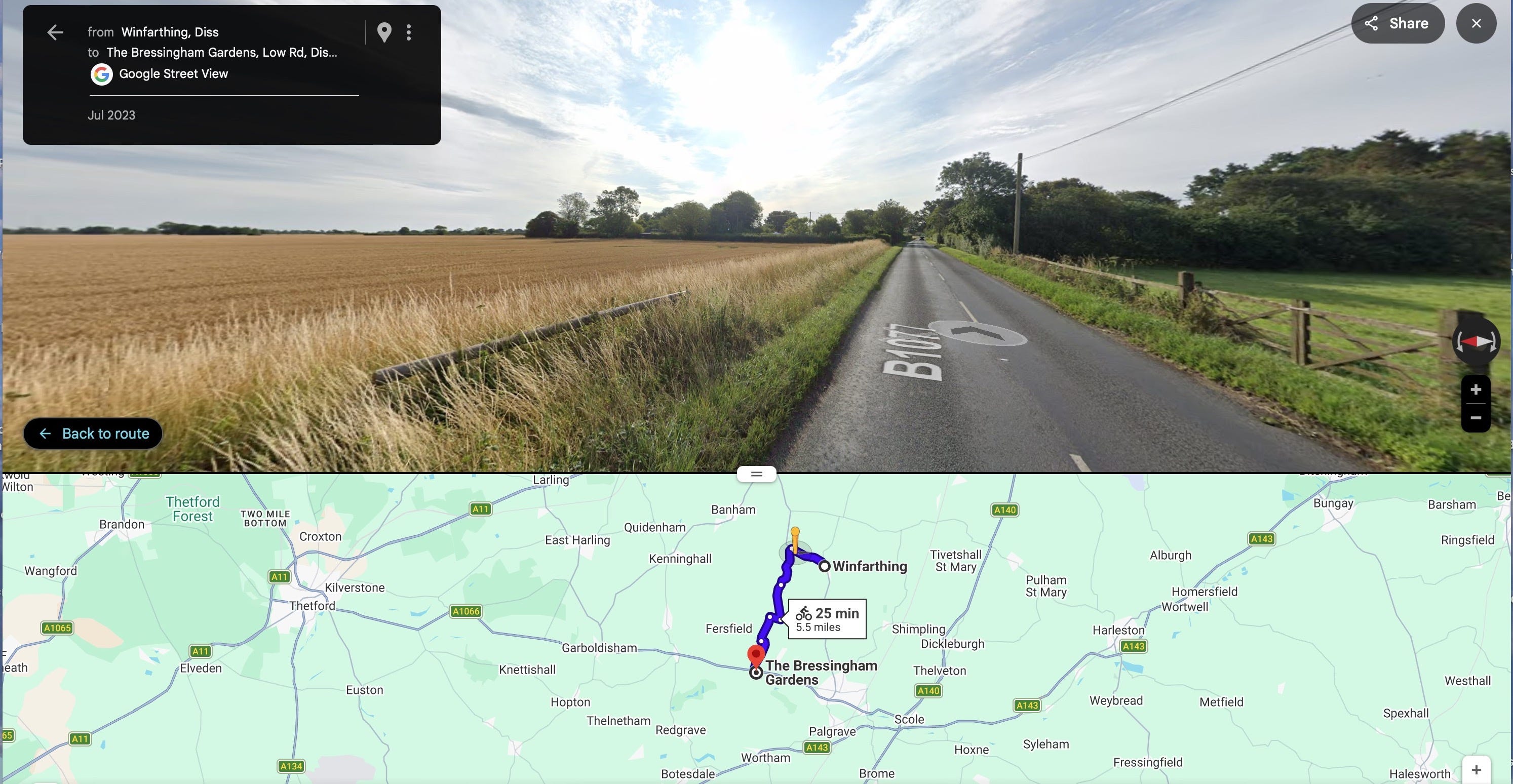
There was one place I didn’t get to cycle past when I was back in Norfolk last year, and that was the house where we lived before Mum packed up and took to the road again. It was a lonely, flat place, surrounded by fields on the edge of a village. I got a summer job at a nearby garden centre. I used to cycle there and back each day, down long straight roads, past fields of wheat and barley bordered by the odd solitary tree. I sang as I peddled through the summer heat - Lady Lane, Common Lane, Dog Lane, Short Green. Dog roses and stray poppies.
After we left the commune, Mum moved house every five years or so. I don’t know why she was so restless. Perhaps she liked to be in a completely new place so that she had something to focus on, a place she could renovate, a project. She bought wrecks and did them up. That was how she was able to leave us kids the small amount she did when she died. She worked and saved. She wrote down every penny she spent in a little red book.
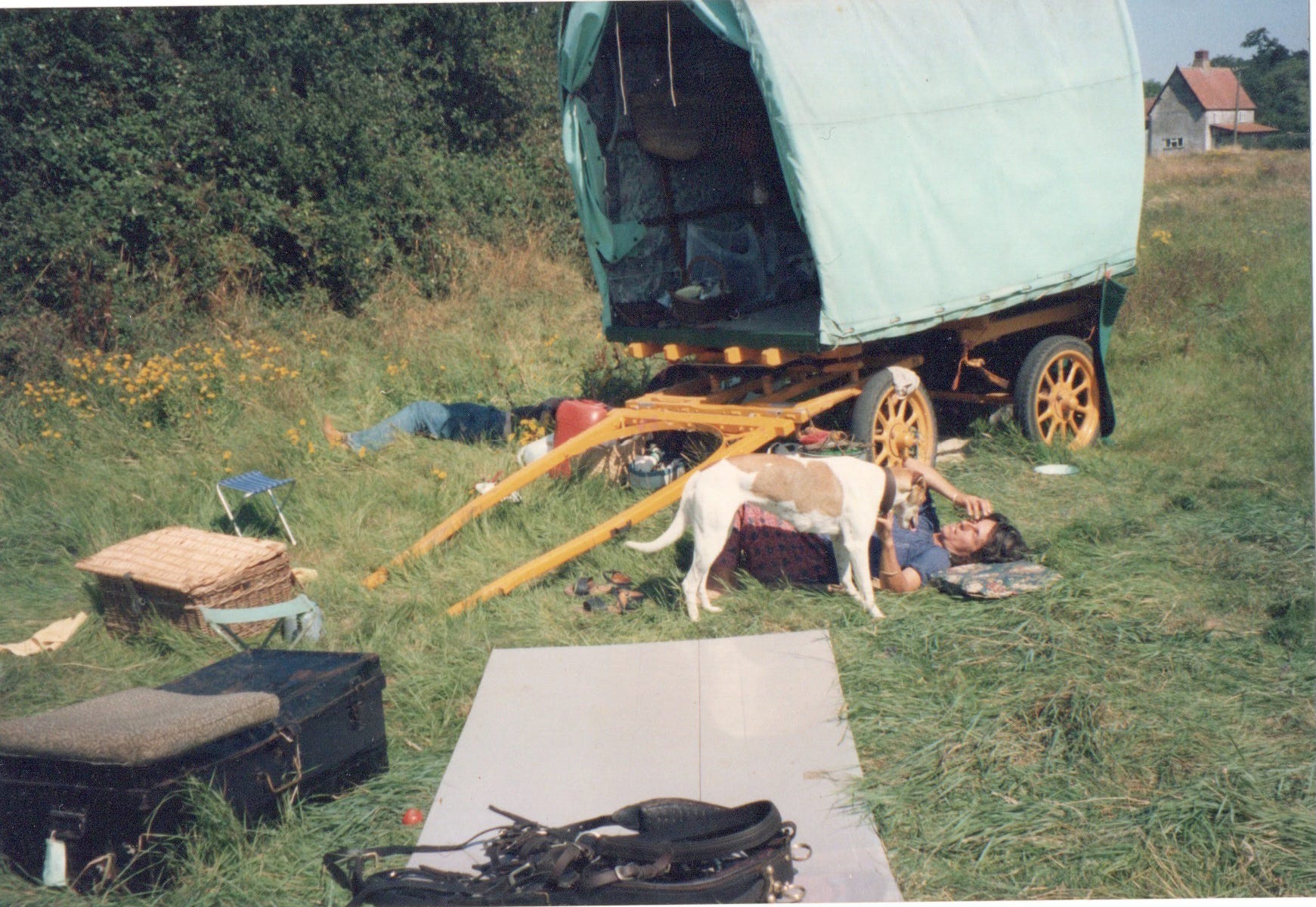
Here she is on Boyland common with our old lurcher Patch. This was around the time I threw a teenage party back at the house. Not a lot happens in rural Norfolk. Kids get bored. Word got out and fifty ravers turned up. It was a good night! The ravers thought our dog was called ‘Hash’. Someone was sick on the stairs and Granny’s entrenching tool got broken - an African hardwood saw which Mum kept above our front door as a joke, ‘in case the Jerrries come!’ she said with a wink. I guess Granny was not dissimilar to Nancy Mitford’s ‘uncle Matthew’ in The Pursuit of Love. Folk of their generation were used to war- a dying breed of proud patriots, remnants of the old establishment.
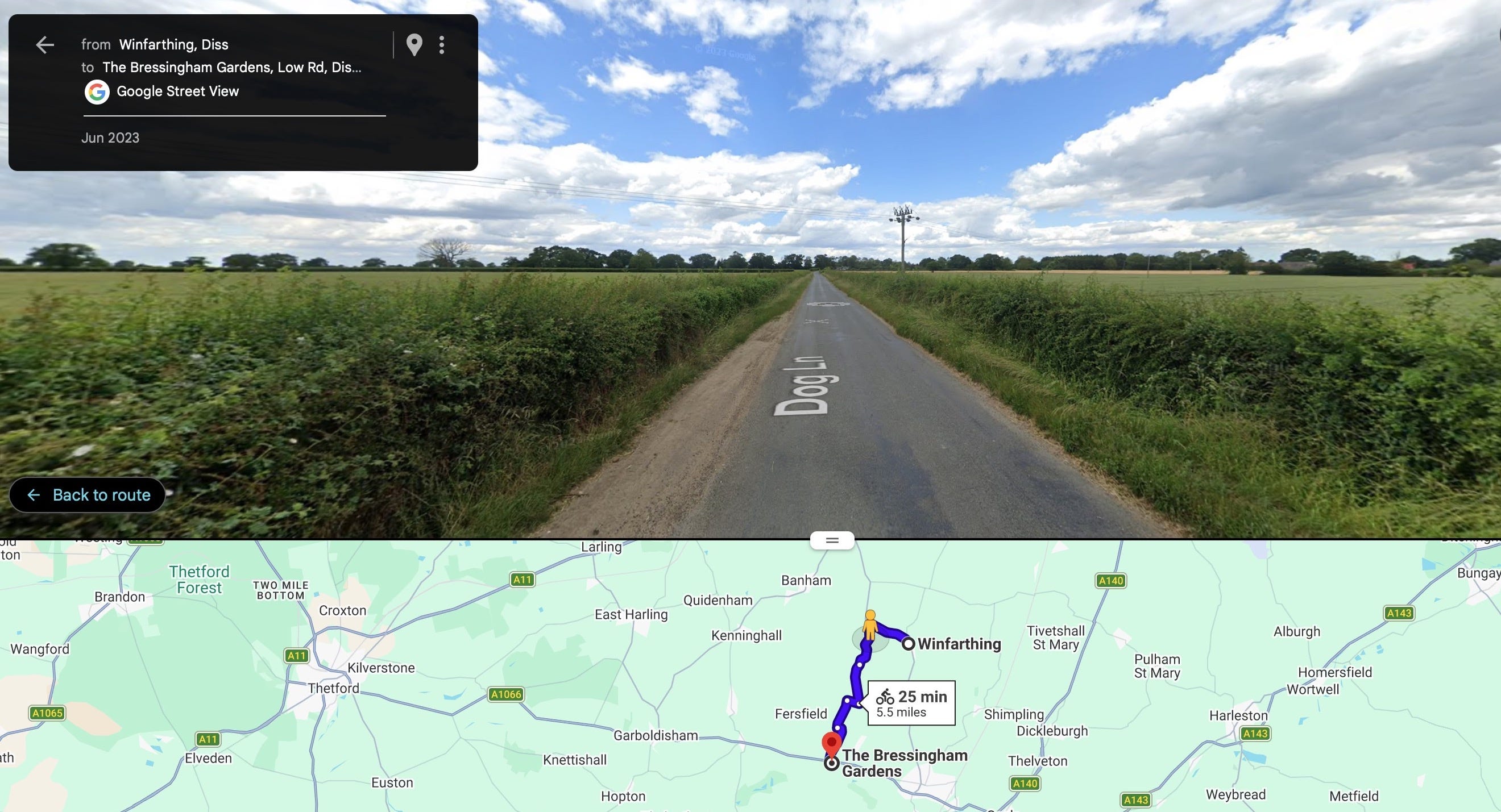
These lanes make me feel kind of homesick. Perhaps it’s cos my younger sons are now reaching the age I was when we lived here. Their lives are so different to mine. They know nothing of roadside living, nothing about horses, Gypsy lore and culture. One of my sons asked me where English Gypsies even live now, it was a question that merited some time to answer.
A large Gypsy family lived near our old place back in Norfolk. They had ten children and dwelt on their own land in caravans. Their kids went to the village school with my little sister. Mum said their daughter, Lily, was patronised by my sister’s teacher,
‘Now Lily needs a lot of help.’ the teacher would say when Mum helped out with reading. It riled her. There was nothing wrong with Lily.
At night the Headteacher crept into Lily’s older brother’s caravan. When he got to secondary school, Lily’s older brother crept into the Headteacher’s house and beat him with a cricket bat. ‘He didn’t do that for no reason.’ Mum said. After the court case the Headteacher got sent down for kiddy fiddling. Other victims had come forward. Mum had been right.
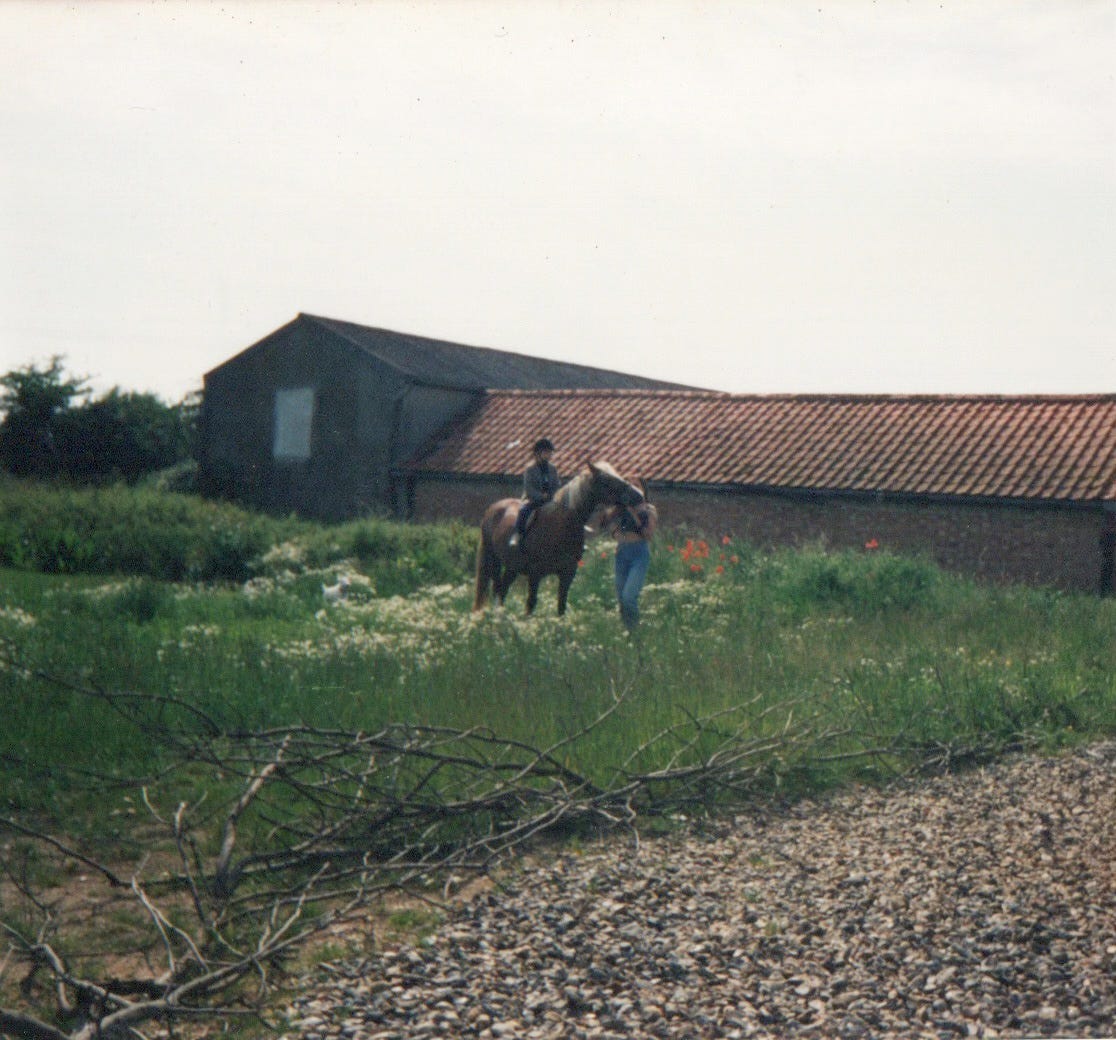
Bracken eventually died and we bought a Welsh Cob Type, Pharaoh he was called. Mum swapped her old dray and bow top for a smaller, sturdier, more compact wagon. The paint work was terrible but the unders were in good nick. It had sound artillery wheels, a cratch at the back and a proper kettle box.
Before she took to the road and left Norfolk forever, Mum filled the house with lodgers again. They were a dead loss this time. One of them stole our last Ritz silver spoon. Another left bottles and bottles of urine stacked up inside our static caravan. Then my little sister’s dad moved back in. Mum felt it would be good for my Little Sister to have him around. At first he moved in as a lodger, then one night we found an empty whiskey bottle by the stove next to two glasses. Mum and he had got back together.
‘What do you think?’ she asked me.
‘Do you honestly want to know?’
‘Yes.'
‘Are you sure?’
‘Yes.’
‘I think if you haven’t learnt after ten years of misery, then you’ll never learn.’
Mum was furious. She wanted me to be happy for her. They got married the year I turned nineteen. I’d left home by then. The drinking got worse after that and things were not great for my sister. It was a relief when Mum finally booted him out for the last time. ‘Living with someone with whom you are unhappy can be terribly lonely.’ she said afterwards.
Mum and I went down to the village pub together after he’d left - The Fighting Cocks, apparently famous for the first ever reported case of wife swapping. How ironic. Norfolk people are renowned for their shyness. No one said hello to us as we stood at the bar, that is until Mum recognised the young man sitting next to me on a high stall chatting to his mates. He’d sold me my first car. Mum smiled and nodded, he looked over at us shyly and murmured hello.
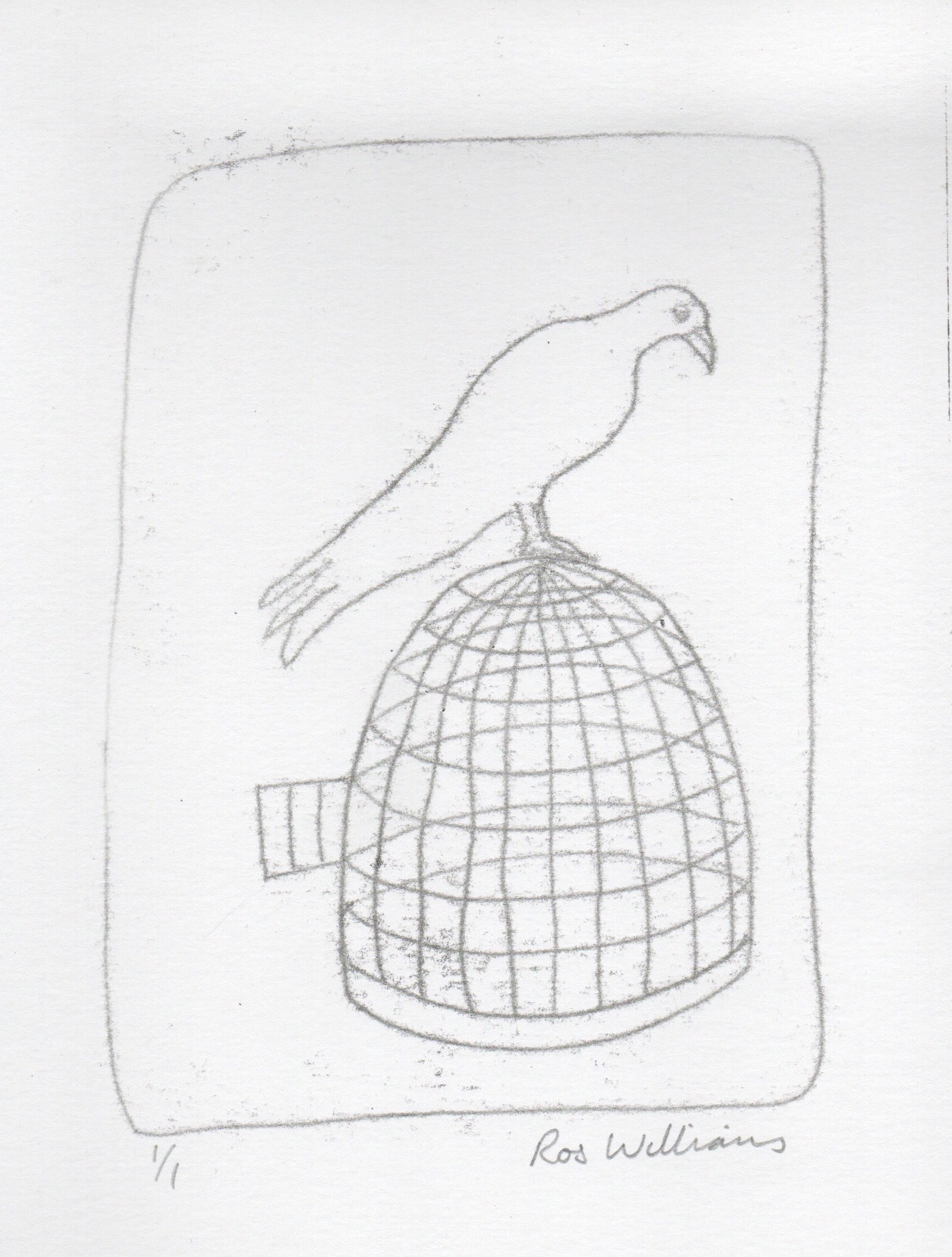
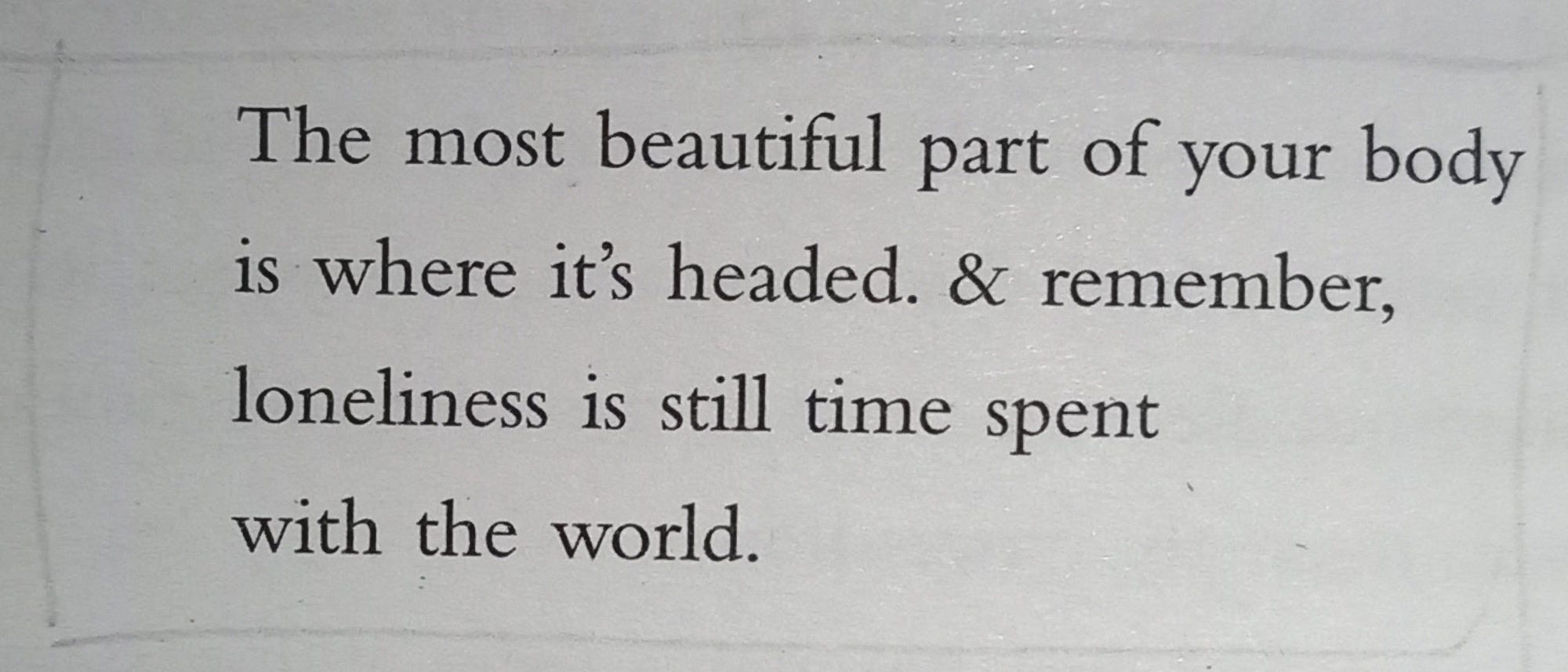
I’ve been promiscuously devouring library books. They spill out from bags all over the floor, like empty beer bottles. I’m a bookaholic, always looking for inspiration and guidance in other people’s stories. Maps and compasses. I tried to read Olivia Bright’s This Ragged Grace about alcoholism and alzheimers. Nothing really resonated apart from this quote about loneliness. Ocean Vuong is right.
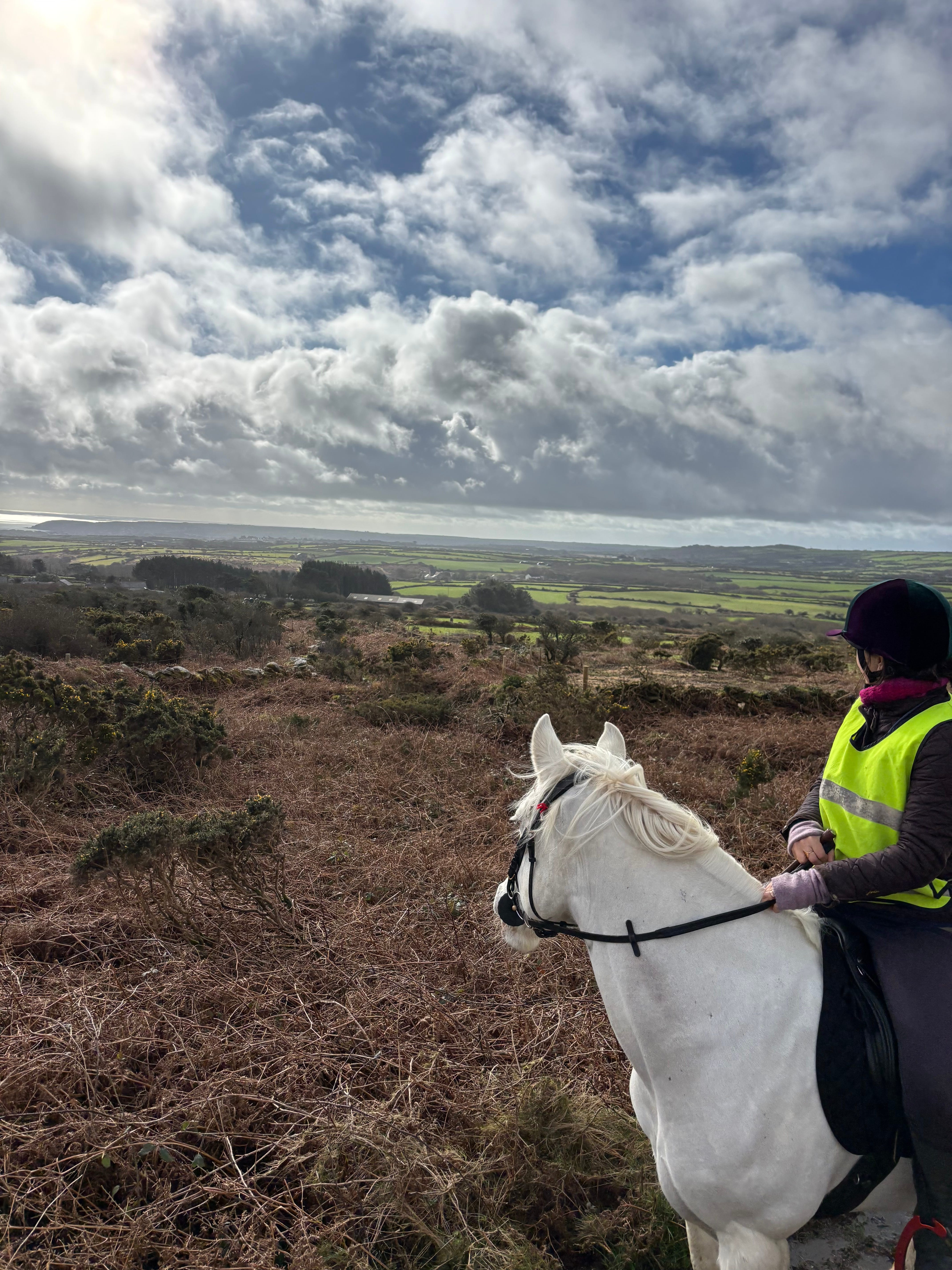
I’ve lived in the same place for almost thirty years now. I used to get restless when the grass began to grow. In the summer I wanted to be off. After my first child I thought about leaving, but it was the depression and hormones talking. Somehow I found a way to navigate the tide of overwhelm. This feeling of restlessness wore off after twenty or so years. I still get yearnings to be in nature, to be in silence, to be close to birds, the sky and horses. But I’ve learnt not to run away. I’ve re programmed myself. I used to long for the big skies of Norfolk, the open road, the stopping places, the freedom, even the loneliness. Now that I’m older I find my longings lead me home.
Wonderful thank you Nancy yes hopeful and poignant. So enjoy reading your work.xx
Beautiful Nancy - kinda sad and hopeful at the same time. Keep putting that pen to paper xx